Theory Questions Before Your Test
Try to answer the questions, before scrolling down to the answers.
- 1) When can you over take on the left?
- 2) At an uncontrolled junction of equal importance to whom should you give way?
- 3) At a stop sign that has no white line, where should you stop?
- 4) What position would you take up for a right turn in a one way street?
- 5) How would you turn right on a main road?
- 6) How would you know a zebra crossing at night?
- 7) What does the island in the centre of a pedestrian crossing mean?
- 8) What restrictions are there in relation to the use of the horn?
- 9) When driving at night when should you dip your headlights?
- 10) What should you do if dazzled by lights of an oncoming car?
- 11) What is a clearway?
- 12) What does a broken yellow line mean?
- 13) What does a single yellow mean?
- 14) What is the legal parking distance from the kerb?
- 15) How close to a junction can you park?
- 16) Where should you not park?
- 17) Where should you not overtake?
- 18) What is the two second rule?
- 19) If you saw a red triangle on the road what would it mean?
- 20) What is the sequence of traffic lights?
- 21) At an uncontrolled junction, who has the right of way?
- 22) What does a green light mean?
- 23) What does an amber light mean?
- 24) Name three people in authority for whom you must stop?
- 25) If you were entering a one way street at the no entry end , what road markings would you see?
- 26) When can you cross a continuous line?
- 27) (a) What is the speed limit on a national primary road? (b) What is the motorway speed limit? (c) What is the minimum tyre depth?
- 28) What rules apply to a junction box?
- 29) If there are two sets of white lines in the centre of the road, on continuous and one broken which would you obey?
- 30) What do two sets of broken white lines in the centre of the road mean?
- 31) What does a broken white line in the centre of the road mean?
- 32) What do white horizontal lines in the centre of the road mean?
The Answers.
- 1) When the driver in front of you is turning right, when you intend to turn left, when the vehicles in the lane on your right are moving slower.
- 2) Give way to traffic on the right and proceed with caution.
- 3) Stop at the sign.
- 4) The extreme right lane.
- 5) Mirror and signal and then move into the right hand lane when clear, keeping left of the white line in the centre of the road. When a safe gap occurs, complete your turn, never cut corners and give way to pedestrians.
- 6) By yellow flashing beacons.
- 7) Each side of the island is a separate crossing.
- 8) It must not be used between the hours of 11:30pm and 7:00am in a built up area, except in an emergency.
- 9) (a) when meeting on coming traffic (b) When following close behind another vehicle (c) On continuously lit roads (d) In snow, fog dusk/dawn.
- 10) Slow down and stop if necessary.
- 11) Stopping or parking are prohibited (except by buses and taxis) for the period indicated on the sign.
- 12) A broken yellow line marks the edge of the road.
- 13) No parking at certain times.
- 14) Half a metre.
- 15) 5 metres.
- 16) Near a bend, the brow of a hill, a hump back bridge, a continuous white line, where your vehicle would obstruct a sign, at an entrance, at a bus stop, opposite another vehicle, on a narrow road or taxi rank.
- 17) At a bend, a junction, brow of a hill, a hump back bridge, a continuous white line or anywhere your view of on coming traffic is restricted.
- 18) Stay two seconds behind the car in front. Use a stationary object on the road, start counting when the car in front passes the object and you should pass after counting two seconds.
- 19) That there is an obstruction on the road ahead.
- 20) Green, amber, red.
- 21) Take it that no one has the right of way and proceed only when it is safe to do so.
- 22) Go, providing junction is clear.
- 23) Stop unless you are too close to stop safely.
- 24) A Garda, a school warden or a person in charge of animals.
- 25) A continuous white line with a broken white line behind it.
- 26) To avoid an obstruction, for access, or if there is a broken white line on your side of the road.
- 27) (a) 100 kph (b) 120 kph (c) 1.6mm.
- 28) You cannot enter unless your way ahead is clear with the exception of turning right, you can enter and wait in the box if you are not obstructing other traffic.
- 29) You obey the line on your side of the road.
- 30) There will be one or two continuous lines ahead.
- 31) You may over take if safe to do so.
- 32) You use them like a traffic island – you do not enter.
Don’t take our word for it – look at what our students say!
 Pass and Go Driving School
13 Carraroe Ave, Donaghmede, Dublin
5.0 335 reviews
-
Cathal Baldwin ★★★★★ in the last week
I highly recommend doing your driving lessons with Mike. He is a great teacher who is very patient and easily contactable. I’d a great laugh doing my lessons with Mike, while also learning, which made the whole process as easy as one could … More ask for. -
Ronan Richmond ★★★★★ in the last week
Couldn’t speak any higher of Mike. He recently taught my 18 year old son to drive and from the start put him at ease and made it enjoyable for him to learn while quickly progressing. Would recommend Mike to any parent looking for a driving … More instructor. -
Jake Daly ★★★★★ a week ago
Great instructor -
Emma Clancy ★★★★★ a week ago
Mike was an exceptional driving instructor to me over my time of learning how to drive.
His knowledge and calmness helped my driving progress quickly and my confidence improve.
His personality and humour made the lessons enjoyable and easy … More going for myself.
I couldn’t recommend Mike enough! -
Wayne Griffin ★★★★★ 2 weeks ago
Mike was an amazing driving instructor he's so sound and boosted my confidence while driving. I highly recommend him get your lessons in ! -
Aodan ★★★★★ 2 weeks ago
Couldn’t recommend Mike more brilliant instructor, great in the car and a lovely fella all round. 10/10 -
Charlie Oreilly ★★★★★ 3 weeks ago
Super service, I’m in my 50,s so I was a nervous wreck and Mick made me feel very calm and gave me great confidence going into my test through lessons and pre-test lessons.Honestly I would recommend Pass and Go Driving school to anybody … More at any age, very professional and friendly service.
Thanks again Mick 🚘🚘 -
Andy Doyle ★★★★★ 3 weeks ago
Absolutely loved working with Mike at Pass and Go Driving School.
From our first conversation, through every lesson, right up to the celebratory phone call after I passed, Mike was top class. He’s patient, knowledgeable, easy to get along … More with, and somehow manages to make driving lessons both productive and good craic.
He gave me a huge amount of confidence behind the wheel and made the whole process far less stressful than I expected.
I’m officially licensed now, but I enjoyed the lessons so much I might just call Mike and see if he wants to go for a drive anyway! 😂
Couldn’t recommend him highly enough. Thanks for everything, Mike! -
Martin Gibney ★★★★★ 4 weeks ago
I don't normally write reviews, but sometimes you find something or someone who deserves the recognition. Mike not only gave my son driving lessons, but mentored him to become the confident driver he is now. Mike goes above and beyond … More for his pupils and this shows in his results. Lessons are enjoyable and his students learn with a bit of fun.
As a sponsor, I am very happy with every aspect of the process with Mike who everyone will agree is simply a great person, and of course a superstar DJ! Lovely Hurling 🙂
Worth evey penny. -
Leo Smyth ★★★★★ 4 weeks ago
Mick was my instructor with ‘Pass and Go’. He was an amazing instructor, very fair, encouraging and we had a bit of craic too. I would highly recommend ‘Pass and Go’ if you’re looking for driving lessons. 10/10 experience. -
Jack Oleary ★★★★★ 4 weeks ago
One could never ask for a better teacher. An unbelievable experience that helped far more then I ever thought it could. Pass and go driving helps with all aspects of your driving journey and relieves the stress for the test. With excellent … More lessons and helpful mock tests this really was the best possible help I could’ve had for my driving experience. -
Luke Bolton ★★★★★ 4 weeks ago
Very grateful for Mike for helping me to pass my test first time. He was very supportive and encouraging and would highly recommend him to anyone -
Smiley 15! ★★★★★ a month ago
We are absolutely delighted to say that our son, Adam, who turned 18 on Sunday, passed his driving test this morning!
A huge thank you to Mike, who is nothing short of a phenomenal driving instructor. He is funny, understanding, knowledgeable, … More and has the patience of a saint. From day one, he made Adam feel comfortable and confident behind the wheel, and his friendly approach made learning to drive genuinely enjoyable.
Mike’s dedication, encouragement, and expertise played a massive part in Adam’s success today. Without his guidance and support, there is simply no way Adam could have passed his test.
We cannot recommend Mike highly enough. If you’re looking for a driving instructor who truly cares about his students and goes above and beyond to help them succeed, Mike is the person to call.
Thank you, Mike, for everything, and for helping Adam achieve this important milestone! -
Ted Laput ★★★★★ a month ago
My experience with Mike couldn’t have gone any better. He was extremely calm and ensured that every lesson was different. Mike pushed me to become a better driver every lesson and I would highly recommend him as a driving instructor. -
rachel ryan ★★★★★ a month ago
From the minute I reluctantly sat into the drivers seat as the most nervous with no confidence & also as an adult learner , Mick brought me to a level of calm & safe level..his patience, compassion and humour got me out on to the … More open road & helped me break barriers which I never thought were not possible. I'm now a confident & competent driver with a pass on my test thanks to him and will forever be thankful. As he would say, "Showtime, we've got this , you've got this" I'll actually miss my lessons!! -
Hannah Moreau ★★★★★ a month ago
Just passed my test thanks to the help of Mike. He was so patient and kind in the car with me. Would highly recommend ! -
Mandy Mooney ★★★★★ a month ago
I honestly couldn’t have asked for a better driving instructor than Mike. From the beginning he made me feel comfortable and confident behind the wheel and I always looked forward to my lessons. He’s incredibly patient and supportive and … More always believed in me even when I didn’t believe in myself. He made learning to drive genuinely enjoyable with plenty of laughs along the way!
I’m so grateful for everything he did to get me test ready and I’ll definitely miss our lessons and chats! Couldn’t recommend Mike enough, an absolute legend and the best instructor I could have asked for ! -
Roise Ni bhradaigh ★★★★★ a month ago
Not only is he a great instructor, he’s also fun. Puts you at ease quickly and takes the fear out of driving as a beginner. Mike and I had great laughs during lessons and made me feel very comfortable behind the wheel. 10/10 experience! … More -
Lucy Heffernan ★★★★★ a month ago
couldn’t reccomend mike more, made driving enjoyable and built my confidence every lesson . passed first time thanks to mike . Best instructor going 💯💯 -
Lucy ★★★★★ 2 months ago
Mike is truly the best of the best! I would highly recommend him to anyone and everyone trying to confidently pass their driving test, so much so that I’ve already been doing just that!
Mike truly has the patience of a saint and will always … More make you feel calm and assured when behind the wheel. He’s full of resources and wisdom. If you’re willing to put the work in, he goes above and beyond for every student. Beyond just the driving, Mike is a true gent and a laugh is guaranteed at every lesson. I’m very lucky to have done all my lessons with him and to have passed my test on the first try! Couldn’t have managed it without his guidance and will genuinely miss the driving lessons with him! 5 stars is not enough! -
lauren g ★★★★★ 2 months ago
I had a really great experience with Mike and Pass and Go. Mike is really experienced and is very calm in the car. He put me at ease and really prepared me well for my test, and I passed with flying colours! I would highly recommend him … More to anyone who is anxious, he will not only calm you but make you laugh! Thanks for the help Mike - I really appreciate it 😊 -
Emily Keogh ★★★★★ 2 months ago
Having experienced other instructors I can safely say that Mike is the best driving instructor. He’s calm and so knowledgeable, his tips and advice make all the difference when prepping for your test. His lessons were also way more craic … More than any others! I’d highly recommend Mike to anyone as his lessons and pretests helped me pass first time with only 2 minors!! Thanks so much Mike 🙏 -
Justine Durnin ★★★★★ 2 months ago
In under 9 months, I've gone from never having driven to passing my driving test first time around, and a lot of that is thanks to Mike. He's patient, kind and straight-talking as well as supportive throughout the whole process. … More I couldn't have asked for more, especially as I was long in the tooth (old!) for a learner. -
Saibh Martin ★★★★★ 2 months ago
I cannot recommend Mike enough ! He is kind, calm and supportive. His teaching style is absolutely excellent, he’s always quick to respond to questions and it is clear that he really cares about all of his students ! The best in the business … More !! -
S M ★★★★★ 3 months ago
Passed my Test on the first attempt and this is down to the preparation, training and guidance I got through my lessons with Pass and Go Driving. I cannot recommend anyone else for driving lessons other than Mike, not only do you receive … More top level lessons and training but the lessons are enjoyable. 10/10 - Stephen -
Dean ★★★★★ 3 months ago
I Just passed my driving test at the first go all Thanks to Mike. His calm and clear instructions really made the difference, I was nervous at the start but Mike put me at ease with great advice in how to drive safely. I highly recommend … More if you are looking to learn. Thanks Mike! -
Martin B ★★★★★ 3 months ago
I can’t recommend Mike highly enough. I did a few mock driving tests with him before my test in Killester, and they made a huge difference. His feedback was clear, honest, and focused on exactly what I needed to improve. He knew the test … More routes really well and gave me practical tips that helped me feel confident and prepared on the day.
Thanks to his guidance, I passed my driving test. If you’re looking for a patient, knowledgeable instructor who genuinely wants you to succeed, I would definitely recommend him. GRACIAS! -
patrick peake ★★★★★ 3 months ago
Mike is an absolute legend!
If you want an instructor who won’t pull his hair out (😀) while teaching a teenager how to park, Mike is your man. He has the patience of a saint and somehow managed to turn my daughter into a confident, safe … More driver. He kept the lessons fun, survived her early braking scares, and actually got her to pass. Thanks Mike! -
Sophie Elder ★★★★★ 3 months ago
I couldn’t recommend Mike enough as a driving instructor. He was patient, supportive, and always made me feel at ease behind the wheel. His constructive criticism was so helpful as it was always delivered kindly and clearly, which helped … More me improve my driving without losing confidence. Thanks Mike for the help to get my license 🙌 -
E H ★★★★★ 3 months ago
Mike is honestly an incredible instructor. I've tried and tested many over the years and passed my test first time with Mikea guidance. He puts you at ease, has a bit of craic along the way and obviously knows this stuff. GRMA Mike, … More it's been a pleasure -
David Paul Byrne ★★★★★ 3 months ago
I highly recommend Mike, a great instructor, patient and great communication at all times. -
Oisin Fleming ★★★★★ 3 months ago
Booked in a pretest a few days before the test and Mike had me all set. Would recommend 👍 -
jane reeves ★★★★★ 4 months ago
Had a great experience learning to drive with Mike, from day one, I always felt safe, supported, and encouraged, even when I was nervous. Thanks to Mikes guidance, I passed my test and feel genuinely confident on the road. Highly recommend … More to anyone looking for a professional, friendly, and effective driving instructor -
Cillian Molloy ★★★★★ 4 months ago
I can’t thank Mike enough, 5 stars simply don't do him justice. When I first started my lessons with Mike, I was an extremely nervous driver and from the get go, Mike made me feel at ease and comfortable in the car with his friendly … More demeanour. He spent many lessons focused on my individual needs and gave extra attention to my areas of weakness. Thanks to Mikes expert teaching, I was able to pass my test first time in Raheny.
If anyone is looking to start lessons and wants the best chance at passing their test, I would absolutely recommend Mike at Pass and Go Driving School.
Thanks for all your help Mike!! -
Beth Oconnor ★★★★★ 4 months ago
Mike was so patient throughout my whole driving journey. Passed my test first time with all the help and lessons throughout the months, could not recommend him more !!! -
Katie Travers ★★★★★ 5 months ago
Mike is hands down the best driving instructor. I say that as someone who was probably his most hopeless student at the start. Somehow, he never lost patience with me once. Every lesson felt calm, supportive, and reassuring. He has this … More way of making you feel like you will get there, even when you’re convinced you won’t. Passing my driving test feels bittersweet. I’m obviously delighted, but I’ll genuinely miss the lessons, the chats, and the laughs. He’s been more like a best friend over the past few months than just an instructor. Couldn’t recommend him highly enough. -
Hilary Farren ★★★★★ 5 months ago
All my kids did their driving lessons with Mike in Pass & Go - it was 5* treatment. Mike is kind, patient and his teaching style is excellent. He knows his stuff and lets the student learn at their own pace. He goes that extra mile … More giving advice & tips. I can honestly say that my kids enjoyed their lessons and have passed too. I highly recommend him as a driving instructor. -
Sinead O'Neill ★★★★★ 5 months ago
I put off driving for too many years and started learning in my early 30s - when I knew I absolutely needed to make the leap and get driving! I was nervous and didn’t even know how to start the engine! Mike was recommended to me by a friend, … More who said he is “the only reason” she passed her test. I can say with 100% confidence that this is true for me too! Mike is extremely patient, friendly, easy going and a great teacher. He is encouraging and really helped me gain confidence. We also had many laughs! I passed my test on my first attempt, which is huge for a girl who knew ZERO about cars or driving. If you want to learn to drive and are apprehensive in any way- Mike is your guy!!! Thank you Mike! -
fran smyth ★★★★★ 5 months ago
If you want to pass your test book your lessons with Mike. I was a really nervous driver. I’d done my EDT with someone else and then stopped driving for nearly 2 years. Mike restored my confidence and he is great fun in the car. We had … More a great laugh going along. He had such faith in my ability and I passed first time! He comes very highly recommended from me. -
Christina Mac ★★★★★ 5 months ago
I just wanted to say a huge thank you for all your help, patience, and encouragement throughout my lessons. Passing my driving test wouldn’t have been possible without your excellent teaching and support.
I’m absolutely delighted to have … More passed, and a big part of that success is down to you. Thank you again for everything. I couldn’t have asked for a better driving instructor! -
Evan Coyne ★★★★★ 5 months ago
The lessons with Mike were great. His calmness and social aspect of the lessons were really helpful throughout. What I appreciated most was Mikes honesty and constructive feedback during and after each lesson. The calm approach and easy … More conversations during the lessons made learning much easier. Would highly recommend Mike 🙌🙌 -
Andrew RossMcComiskey ★★★★★ 5 months ago
-
Abaigeal Coleman ★★★★★ 5 months ago
Mike has to be one of the nicest driving instructors really settled my nerves and gave me some extra confidence in my test highly recommend !! -
Tracy O Dea ★★★★★ 5 months ago
Mick you are a Superstar ⭐️!! My daughter passed her test first time today and I can’t recommend Mick and Pass & Go Driving School enough. My daughter and I both found Mick very relaxed, interested and sincere. Always happy to answer … More any questions, extremely generous with all of his feedback and willing to focus on any requested areas with unlimited patience. Mick has a lovely positive manner which made dealing with him as a parent and for my daughter dealing with him as an instructor such a pleasure! Mick came highly recommended to me and I am happy to highly recommend him on to anyone in need of top class driving lessons. -
Finn ★★★★★ 6 months ago
Mike was so helpful, patient and always on time. Don’t have a bad word to say about him, absolute legend and would highly recommend. -
Eduardo Tome ★★★★★ 6 months ago
Great instructor, always good craic in the car and easy going. Learned loads. 100% recommend -
Eoghan Cullen ★★★★★ 6 months ago
Mike is a friendly soul who you’re able to have a laugh with while also being a top tier driving instructor. His manner of giving instructions is clear and concise and that’s exactly what you need when learning how to drive. I’d highly … More recommend to anyone to book your lessons or pre-test with Mike as he gave me the tools to pass my test first time around !!! -
janet m hand ★★★★★ 6 months ago
Mike took my daughter for her lessons and pretests and he was just brilliant. He put her at ease, helped with her confidence, had the most patience. She passed first time thanks to her great instructor. We highly recommended Mike 🙂 -
Ava Hand ★★★★★ 6 months ago
i passed first time thanks to mike, i couldn't have asked for a funnier , calmer or more patient instructor and he made all the scary moments seem less serious. I'd really recommend him to anyone starting off driving or needing … More pretests! -
Jessica Morrin ★★★★★ 6 months ago
Mike is a fantastic driver instructor! I couldn’t recommend him enough. His lessons are so productive and he always ensures they’re fun and stress-free. -
Ciara ★★★★★ 6 months ago
Mike was an amazing instructor who was patient and knowledgeable. His calm approach was so helpful in the lead up to my test and his jokes weren’t to bad either!! I passed first time and would 100% recommend pass and go to any new driver … More looking to pass!! Thank Mike!! -
Tara Nugent ★★★★★ 6 months ago
Learning to drive with Mike was the best decision I could have made when learning to drive. He is so patient and kind and very knowledgeable. He made the lessons very clear and enjoyable. Thanks to Mike I passed my test first go. I couldn’t … More recommend him more!! -
Lucy Harnett ★★★★★ 6 months ago
I passed my test first time with mikes help! -
Ellen Convery ★★★★★ 6 months ago
I would highly recommend Mike to anyone with an upcoming driving test, such a wonderful and patient instructor, who gave me great confidence in my driving and helped me pass! -
lauren reynolds ★★★★★ 6 months ago
Mick is an amazing driver instructor! He makes you feel so at ease the moment you start your lessons. He is fantastic at explaining everything you need to know and will help you in every way he can. You’re also guaranteed lots of laughs … More along the way. I couldn’t recommend him more! -
Clare ★★★★★ 6 months ago
Mike knows his business inside out. My teenage son, who only recently passed his test, had a great experience with Pass and Go. Mike was flexible with appointments and always instilled confidence and encouragement. My son really enjoyed … More his experience and was always happy coming in the door after a lesson. I definetly recommend Pass and Go to anyone thinking of driving lessons. -
Hannah Bruun ★★★★★ 6 months ago
Would give a million stars if I could. Mike is the best driving instructor I could have asked for. He’s always rooting for you to do your best and creates such a great learning environment I never felt discouraged with him at all. He goes … More above and beyond for everyone and has a great sense of humour in the car making it really enjoyable. He has you in the best shape to sit your test and you’re actually sad leaving him once you’ve passed. Recommend him to the nines -
David Suchockis ★★★★★ 7 months ago
Had many more than 12 lessons completed and failed the test two times. The day before my 3rd test I switched instructor to Mike, had two lessons and passed easy. Mike helped so much in that super short time we had together, made me realise … More a few things about my own driving and gave me confidence. Very positive guy and a pleasure to learn from, I highly recommend anyone looking for help to contact him! -
camila frota ★★★★★ 7 months ago
I had a great experience learning to drive with Mike. He was extremely patient, knowledgeable, and always made me feel comfortable behind the wheel. He knew exactly where to take me to practise and focused on the areas that really mattered … More for the test.
His calm approach and clear explanations made a huge difference to my confidence. Thanks to him, I passed my driving test first time.
I would highly recommend Mike to anyone learning to drive! -
Grace Dargan ★★★★★ 7 months ago
Highly highly recommend!! Marked my pre test like a proper exam, could show me where I went wrong and gave me great feedback, helped me so much to pass my test. -
Chloe Costello ★★★★★ 7 months ago
I couldn’t recommend Mike more for driving lessons!! Always put me at ease and always throughly explained everything I needed to understand, no question was a stupid question and every mistake was never judged just corrected. Can’t thank … More him enough for everything he has done for me! -
Eoin Mcguirk ★★★★★ 7 months ago
Done lessons with Mike passed all thanks to him passed all me and my brothers can’t say a bad word absolute legend -
Nicole Sutton ★★★★★ 7 months ago
Couldn’t have passed my test without Mike’s help! He is super patient, which I definitely needed. Recommend !! -
Ona Fogarty ★★★★★ 8 months ago
Mike is the go to man for driving lessons, I had previous experience in other schools, didn’t feel fully confident to sit the test until I came to him. Nothing compares to his teaching methods, the craic in the car and experience over … More all. As a nervous nelly & over thinking driver initially I felt so calm throughout our lessons and pre-test.
Wouldn’t have been able to pass first go if I didn’t have his support. Don’t hesitate to book in with pass and go driving school you won’t regret it! I’d give 6 stars if I could! -
Sarah Wash ★★★★★ 8 months ago
I would highly recommend Mike as an instructor. From the start he was patient and supportive. He helped with my confidence majorly and passed my test with ease from all his help. -
Sinead Leahy ★★★★★ 8 months ago
I had 3 pre tests with Mike from Pass and Go and he was incredible! I got a first time pass today thanks to him. He made me feel so comfortable in the car and gave me the confidence and guidance that I needed to pass. Genuinely can’t recommend … More him enough! -
Cian Lumsden ★★★★★ 8 months ago
Mike was excellent I couldn't have asked for better. Very thorough in his approach and gave excellent points before, during and after my pretest. Helped me past without faults! -
Christian Kane ★★★★★ 8 months ago
Mike was an amazing instructor couldn’t have asked for anything more. Mike Always pushing me and trying to get the best out of my driving and it payed off in the long run. Would definitely recommend pass and go. -
Jack Dempsey ★★★★★ 8 months ago
Unreal driving instructor, not only had Mike got me a first time pass but he was loads of craic in the car as well. Thanks Mike 👊 -
alex cahill ★★★★★ 8 months ago
Couldn’t recommend Mike enough, went to him on the back of hating driving due to a previous instructor, over 4 months he got me from a basic level, to passing first time! Always great craic in the car and also very professional. 10/10 if … More your scared or unsure about driving. -
Sam Mitchell ★★★★★ 8 months ago
Thanks to Mikes ingenious and revolutionary way of teaching, I was able to pass my driving test today. Although he might burn the ears off you in the car talking about hurling… he truly is the best in the business. Couldn’t recommend Mike … More enough. -
Ella Heary ★★★★★ 8 months ago
Couldn’t have passed with Mike!! Wouldn’t recommend anyone else, gives you the confidence you need before your test! Thank you -
Shane Egan ★★★★★ 8 months ago
Mike took my son for his 12 lessons and he was excellent. Very professional and always had an encouraging word for him. My son passed first time with little issue and that was mostly down to Mike and his approach. Highly recommended. -
isaac egan ★★★★★ 8 months ago
Very knowledgeable. Gets you where you need to be and a just a good guy as well. -
Denise-Anne Webster ★★★★★ 8 months ago
I did a couple of pre tests with Mick. He was absolutely brilliant, I found him really informative. All his advice helped me pass my test
I will be recommending him to anyone I know of that need driving lessons -
hannah dolan ★★★★★ 8 months ago
I would highly recommend Mike to anyone learning to drive - he is extremely patient, encouraging and calm. As a nervous driver, he immediately put me at ease by having the chats and gently built up my confidence each lesson. I passed my … More test first time all thanks to him! -
Stephanie Downey ★★★★★ 9 months ago
Passed my driving test with ease, thanks to Mike’s guidance. Highly recommend his company to support your driving journey. He is methodical, patient, kind, and extremely knowledgeable! I’m grateful to have found this company and I felt … More very confident going in to take my road test. You won’t regret partnering with Mike! -
Caitlin O Brien ★★★★★ 9 months ago
I genuinely couldn’t have asked for a better driving instructor than Mike!!! He is absolutely brilliant and I highly recommend you do your lessons with him!
Mike is super patient, friendly, very knowledgeable and calm. He explains things … More perfectly and in good detail. I passed first time on my driving test and it was all thanks to him and his teaching skills.
Thanks so much again Mike!!! 😁 -
Sarah Brown ★★★★★ 9 months ago
Today I passed my driving test 1st time and its all thanks to Mike at Pass and Go. I was so so nervous but with every lesson I had with Mike he pushed and encouraged me which really helped me gain the much needed confidence and belief in … More myself. I'm so grateful to have had him as my driving instructor he has the patience of a saint and is an absolute gentleman. -
Darragh O'Brien ★★★★★ 9 months ago
-
Evan Olooney ★★★★★ 10 months ago
I did all 12 of my lessons with Greg Doyle, and honestly hes a lovely lad whos very easy to get along with. He makes everything simple to learn, and thanks to him I went on to pass my driving test. Just a genuinely great fella overall, … More and I’d highly recommend him to anyone learning to drive. -
Fay White ★★★★★ 11 months ago
Passed my test first time today and I couldn't have done it without Mike! I came to Mike for refresher lessons after not driving for nearly 3 years since doing my EDT lessons. The difference in my driving after only two lessons was … More huge and that's down to Mike's calm, encouraging nature and clear instructions. After being very nervous in the car, he made it so much more enjoyable and really boosted my confidence. Really useful pre-test too which helped me to identify what I needed to work on for the test. Can't reommend enough, thanks so much Mike!! -
Harry ODonoghue ★★★★★ 11 months ago
I could not recommend Mike enough! I came to him as a nervous driver and was definitely not ready for my test. But even after just a few lessons with Mike, I became confident on the roads and improved massively with his supportive advice. … More What I really like about Mike is that he is able to make you feel calm in the car even when your still learning. I came out of every lesson happier and more ready for my test. I only met Mike 2 months ago and passed my driving test this morning! I only could’ve done it with his help. Thank you again Mike! -
Niamh Loftus ★★★★★ 11 months ago
Couldn’t recommend Mike enough I did my lessons and pre test with pass and go and with Mikes help, I passed my driving test first time round with flying colours.
Thanks for everything couldn’t have asked for a better instructor. I’ll miss … More the laughs -
Jamie Nolan ★★★★★ 11 months ago
Couldn’t reccommend Mike anymore as a driving instructor. Great craic and always enjoyable to do a lesson with. Helped me a lot with my pre tests and was a key reason I passed my test. -
Dara McDonald ★★★★★ 11 months ago
I cannot recommend Mike enough, he put in the work and got me to my test. My pass is all down to him, best driving instructor out there🙌 His patient and encouragement means everything!! -
Mary Cagney ★★★★★ 11 months ago
After being scared of driving for years, Mike finally got me back on the road and over the finish line to a pass. The patience and care he has for his work is amazing, the chats are great too. Very proud to be his 251st test passed! -
Jessica Olivia Cox ★★★★★ 11 months ago
Five stars for Mick O Brien. I passed my test with flying colours and I could not have done it without him. Mick is an incredible teacher. He is calm, patient, very knowledgeable and has that rare gift of making you feel capable even on … More the days when your nerves are doing cartwheels. Every lesson felt like progress. He explains everything with such clarity that even the tricky parts suddenly make sense.
I cannot recommend him highly enough. If you are thinking about booking lessons, do not hesitate. Mick is brilliant and you will be very lucky to learn with him. -
Rebecca ★★★★★ 12 months ago
Couldn’t recommend Mike enough. I always dreaded driving lessons with previous instructors but Mike made me feel so comfortable and confident driving. -
Trevor Ecock ★★★★★ 12 months ago
As good a driving instructor that you could possibly come across. 3 of our kids got driving lessons off Mick and all 3 passed with flying colours. By all accounts kept them at ease when learning, patient with them, constructive and all … More 3 looked forward to their lessons with Mick. One more of the kids to go and that will be a full house of full licences. Could not recommend Mick enough. -
Ben Smyth ★★★★★ a year ago
I would not have passed first time without an instructor like mick. He made me feel very comfortable behind the wheel every time I got in the car with him and set out a very clear path to getting me over the line. An absolute gentlemen … More that I would highly recommend for your lessons. -
Asanka Dilrukshi ★★★★★ a year ago
Mike is a friendly and knowledgeable instructor. I took 2 pretest from him and he gave me the confident to do the test and always encouraged me positively. I recently passed my driving test in Raheny Dublin.
I would highly recommend him … More to anyone for their driving lessons. Thank you so much, Mike. -
Donagh Cope ★★★★★ a year ago
An absolutely amazing driving instructor, got a recommendation from a friend and was by far the best driving instructor over had. Can't thank him enough for the help. -
Rory Callaghan ★★★★★ a year ago
Mike's supportive, patient, and encouraging approach to driving put me at ease behind the wheel from our very first lesson together. The advice and tips he provided were key in passing my test. I would not hesitate to recommend Pass … More and Go Driving School to anyone learning to drive. -
Eoin MacCormaic ★★★★★ a year ago
Very patient, helpful and professional.Absolutely amazing -
Ian Marnane ★★★★★ a year ago
My son went to Mike for his driving lessons and we were very happy with the service and support provided throughout the lessons and at the time of the driving test, which he passed first time out 🙂. Would highly recommend Mike for anyone … More in the process of learning how to drive. -
Hollie Fitzell ★★★★★ a year ago
I couldn’t have asked for a better driving instructor than Mike! He was patient, supportive, and made every lesson feel calm and enjoyable. His clear explanations and confidence-boosting approach helped me go from nervous to fully prepared, … More and I passed my test feeling ready for anything on the road. I’d highly recommend Mike to anyone learning to drive! -
Tuathal Kelly ★★★★★ a year ago
Mike was friendly, patient, and knowledgeable, I would recommend him to anyone learning to drive. He was supportive throughout my entire learning experience, and never made me feel bad about any mistakes, but told me exactly how to improve … More them. I was quite a nervous driver when I started but he knew exactly when to challenge me and when to keep it easy to build my confidence. I passed the driving test confidently on my first attempt, and I owe this to him. My siblings also learned to drive with him, and we all had great experiences. Ask for Mike! -
Jason Hannon ★★★★★ a year ago
I want to thank mick alot for all the lessons. He helped me not only with driving but also my confidence from the very first minute i was behind the wheel in the first lesson. I couldn't recommend him enough to anyone looking for a … More driving instructor. Thank you mick -
Oscar ★★★★★ a year ago
I started doing lessons with Mike a few weeks ago with the aim of passing my driving test in a short time period. After each lesson, he gave me a detailed digital sheet of all the marks I would’ve lost if it were the driving test which … More really helped me work on the areas I was struggling on and focus on improving them. With the help of this and his strong knowledge of the road, I aced my driving test two days ago and now have my full driver’s license. I would really recommend doing lessons or pretests with him as I found them very helpful. -
Mark Gallagher ★★★★★ a year ago
Where do i begin about my experience with mick.....im 31 and first attempted lessons 13 years ago, had many a bad experience and just lost all confidence in driving. Then i came across mick at pass and go driving...and 6 months later i … More passed today at my first attempt.
With mick not only are you getting an incredibly proffesional instructor who prepares you for ever aspect of the test but more importantly i feel, you are getting an instructor who gives real confidence and calmness to his clients.
Mick made learning to drive relaxing and enjoyable for me, i couldnt recommend him highly enough. If you want to pass your test mick is the person for you. -
Feidhlim Kelly-Harrington ★★★★★ a year ago
I was a bit nervous before my first lesson but Mike was very calm and helpful which put me right at ease and got me excited to do more driving.
Throughout our lessons he continued to deliver quality instruction and taught very intuitively … More which made the whole experience very enjoyable and fruitful, and enabled me to pass my test first try.
Thanks Mike! -
Daniel Coakley ★★★★★ a year ago
Started driving last year and hadn't done much driving up until my test this week and in the last few weeks I'd done pre tests with Mike and he was extremely helpful with advising me what was wrong and right and helped me so the … More my confidence majorly, wouldn't have passed without mikes help would highly recommend -
Lucy Hodgins ★★★★★ a year ago
With only a few lessons Mike was the reason I passed my test! I would recommend him for anyone learning to drive. Thanks Mike🙌🏻🙌🏻 -
Ben McCarthy ★★★★★ a year ago
Legend of a driving instructor. Mike always explains things in a way that makes sense. Lessons were great fun not stressful at all. I would recommend Mike to anyone that wants to learn how to drive. Top instructor. -
Sean Boylan ★★★★★ a year ago
Mike was great at helping me prepare for my test and giving me the confidence i needed for it too! -
Orla Meehan ★★★★★ a year ago
My son recently had some pretest lessons with Mike. He had taken pretests with another driving school previously and had only gotten negative responses - from his first lesson with Mike it was a complete different story. Can not recommend … More him enough my son passed driving test and I honestly know a lot of it was down to the help & confidence Mike instilled in him. If you need lessons get yourself on to Mike -
Jamie Kearns ★★★★★ a year ago
I did two pre-tests with Mike. Great service, it really helped with the actual test and knowing what to expect. Definitely recommend. -
Ross ★★★★★ a year ago
Driving with Mike has been an unforgettable experience. Under Mike's tutelage I've learned so much more about driving and the road. We did several lessons and pretests together that were super insightful and Mike was always available … More to provide solid and constructive feedback. He was always supportive of my efforts and made me feel so much more confident in my driving abilities than I had been before we met. I can't recommend Mike enough because, along with his knowledge and expertise of driving, he is a pleasure to learn with. Thanks for everything, Mike! I'll miss cruising around together! -
Emily C ★★★★★ a year ago
Mike was such a helpful and encouraging instructor from day one. I did all my lessons and pretests with him, and managed to pass first time. Started off a nervous driver but having a laugh in the car made all the difference. He’s a very … More calm and reassuring teacher which allowed me to be more confident in my driving. He takes a personal approach to his lessons and is always happy to go over any questions, which was such a big help. I would highly recommend Mike to anyone looking to start their lessons! -
Siabh Osullivan ★★★★★ a year ago
I did all my lessons and pretests with Mike and I can honestly say I wouldn’t have passed first time with flying colours without his help. Mike is the most patient and calming instructor, I wouldn’t have gained the confidence to even sit … More my test without his help. I’ll miss the laughs! -
Jessica Fisher ★★★★★ a year ago
I have been doing my lessons with Mike off and on for the last few years now and have just passed my test, Mike is 100% the reason I’ve managed to do this, he has been such a brilliant and patient teacher over the years, always lifting … More my spirits in the car with a bit of craic and never doubting my ability to drive. I couldn’t thank him enough. I would recommend Mike 10 times over to anyone learning to drive -
Morgan Cleary ★★★★★ a year ago
Passed my test today thanks to mick, couldnt
have asked for a nicer and genuine guy, he’s very clear on instructions, has a lot of patience and can really turn a newbie driver( like myself ) into a fully competent driver👌 I’ll be deffo … More recommending himself to anyone looking to start driving 👌🏻👌🏻 -
Michael Collins ★★★★★ a year ago
I did my lessons and pre-tests with Mike and couldn't have asked for a better driving instructor. He was incredibly friendly, patient, and supportive throughout the whole process. His calm and encouraging approach made learning to … More drive a great experience. I’d highly recommend Mick to anyone looking to learn – he's fantastic! -
Aoife Branigan ★★★★★ a year ago
I did all my driving lessons and pretests with Mike after a recommendation. I was very nervous when I first started but Mike was great at building my confidence through every lesson, which helped me pass on my first attempt. He was calm … More and reassuring which put me at ease. He was always available for questions and was very accommodating when scheduling lessons. I would thoroughly recommend Mike to anyone looking to learn how to drive. -
Ayelet Leonov ★★★★★ a year ago
I’ve been driving for 30 years and needed to get an Irish driving licence after relocating to Ireland. Mike was an excellent instructor—he quickly spotted and helped me correct some long-standing habits, while clearly and patiently guiding … More me through the nuances of Ireland’s rules and regulations. Thanks to his support and expertise, I passed my test on the first attempt!
On top of that, Mike is such a kind, calm, and genuinely fun person to drive and chat with. Highly recommended to anyone looking for a top-tier instructor! -
Katie Burke ★★★★★ a year ago
I highly recommend Mike as a driving instructor. From the very first lesson, he made me feel comfortable and confident behind the wheel. He has a calm and patient teaching style, which really helped me stay relaxed and focused, even when … More I made mistakes. He takes the time to explain everything clearly and always gives helpful tips that make a real difference.
He genuinely cares about his students and goes above and beyond for us to make sure we are fully prepared, not just for the driving test, but for real world driving too. Thanks to his support and encouragement, I was able to pass my test TODAY 🎉 If you’re looking for a friendly, reliable, and experienced instructor, I can’t recommend Mike enough! -
Stephen Lambert ★★★★★ a year ago
I had a very positive experience with Mike. His feedback was always constructive. He took the time to understand and debug some of my habits. It was a point of pride for him when students passed rather than the churn you get with a larger … More organisation. Passed first time - thanks Mike! -
Kayleigh Keegan ★★★★★ a year ago
Couldn't recommend Mike enough! Enjoyed every lesson, he's very easy to get along with, funny and knowledgeable! Never makes you feel stupid for getting something wrong and has the patience of a saint! Passed my test first time … More with only 2 marks, have recommended him to all my friends couldn't be happier with the service provided! -
Jamie Atkins ★★★★★ a year ago
Mike was brilliant, really knew his stuff. He was really accommodating especially given the complexities of what I needed but I could not recommend him enough.
If you want to pass your test without the stress, reach out to Mike. -
Cillian Johnston ★★★★★ a year ago
Started my lessons with Mike and he taught me how to drive start to finish. Always made me feel comfortable in the driver seat from the beginning. Would recommend to anyone looking for a good instructor. -
Ryan Williams ★★★★★ a year ago
Mike is an awesome instructor. He takes his job very seriously and knows the ins and outs of what it takes to pass the Irish driving test, but still always up for a laugh! I'd highly recommend Mike to anyone living on the north side … More looking to pass their driving test for any skill level. Passed my test on the first tey thanks to him. Cheers Mike! -
Ciara Foley ★★★★★ a year ago
Mike did an amazing job looking after my daughter in her two pre tests before the big day. She had failed the first time and really needed proper guidance and Mike was the perfect guy for the job. She went in to the test extremely well … More prepared and passed the second time. My only regret is we didn’t have Mike from the start! I would highly recommend Mike to anyone learning to drive! Thank you Mike 😊 🚗 -
Adam Greenhalgh ★★★★★ a year ago
-
Elouise Griffin ★★★★★ a year ago
Mike was an incredible instructor. I did all my lessons and prestests with him, and came out the other side just fine! Super friendly and funny, but let you know what needed to be improved without any fuss. Couldn't be happier, and … More I highly recommend to anyone looking to start driving. -
Julie McNally ★★★★★ a year ago
I started driving lessons with Mike after hearing great things from my brother. Mike gave me lots of confidence and always calmed my nerves. He is a very approachable person with a good sense of humour. I strongly recommend him to anyone … More learning to drive! -
Eoin Shannon ★★★★★ a year ago
My sister recommended Mike to me after she passed her test first time round.Mike has a great approach to teaching and is very encouraging. I passed my test first time round also. I would highly recommend Mike to anyone. -
Ciara Leddy ★★★★★ a year ago
Can’t thank Mike enough for everything he done for me throughout this whole experience. I was extremely nervous to start driving and first time to be in the car with Mike he made me feel very at ease. He was so so supportive & encouraging. … More He reassured me every time I stepped into the car that I’ve got this - we both had this! I couldn’t have done it without him! & I definitely don’t think I would have passed first time without his help & guidance. I would highly highly recommend him to anyone & everyone! Thank you for everything Mike -
Luca Macari kelly ★★★★★ a year ago
I had a great experience learning to drive with Mike. He’s patient and professional. He was also reliable and flexible with scheduling lessons. I’d highly recommend him to anyone learning to drive. -
Simon Cantwell ★★★★★ a year ago
You won’t get a better instructor than Mike. One of the most down to earth and sound people I’ve met. He will put you into tough situations but is only based on getting the best out of you. Couldn’t recommend him more -
daniel kynes ★★★★★ a year ago
I would highly recommend Mike! First class instructor, has your best interest at heart and makes you feel at ease in the car making learning to drive that bit easier. A top man and instructor! -
Ava Conroy ★★★★★ a year ago
I did all my lessons and my pretest with Mike and he was the best instructor you could ask for. He was patient, calm and funny too. I passed my test first time thanks to him! I couldn’t recommend him enough. -
Christopher Wall ★★★★★ a year ago
Absolutely brilliant! I felt that Mike taught me really well. He made me feel relaxed even in the most tedious situations as a learner. I passed on my second test and couldn’t be more grateful. Would recommend the school to anyone in the … More area. -
Sanjaya Dinuwan Gunawardhana Karnasooriya Ragalage ★★★★★ a year ago
I was with little confidence with the previous fail attempt in driving test. Mike is an excellent supporter and he showed all issues with my driving and encouraged me to pass my test in next attempt. I highly recommend Mike to anyone. He … More is super friendly and his courtesy is in next level. - I was with little confidence with the previous fail attempt in driving test. Mike is an excellent supporter and he showed all issues with my driving and encouraged me to pass my test in next attempt. I highly recommend Mike to anyone. He … More is super friendly and his courtesy is in next level.
-
Katie McHugh ★★★★★ a year ago
Went to Mike for some pretests before my exam, and he was such a massive help to getting me across the finish line! Would recommend to anyone serious about passing their test 💪 -
Ella Casey ★★★★★ a year ago
Mike was an amazing driving instructor. I did all 12 lessons with him and was the best I could ask for. He was calm and patient and good craic too! Passed on first go thanks to him -
Andrew Vincent ★★★★★ a year ago
Went to Mike for my driving lessons after he was recommended by family and friends, and he certainly lived up to the hype! He was so friendly, helpful, personable and encouraging. Was always ready to help with any questions and also send … More additional learning tools to help with the driving and theory aspects of the test. 10/10 teacher and person. Would highly recommend -
shauna freeney ★★★★★ a year ago
I had little to no confidence driving….but then I met Mike. I couldn’t be happier with my experience learning to drive with Mike! From day one, he was calm, incredibly supportive and super fun to learn from. He has the patience of a saint, … More and his encouragement made a huge difference in my confidence behind the wheel.
Thanks to Mike’s excellent teaching, I passed my driving test on the first attempt! I highly recommend him to anyone who is looking to start their lessons and want to have fun while doing it! -
Ellen Treacy ★★★★★ a year ago
Had two mock tests with Mike to brush up before my test. He fit me in last minute with automatic lessons. Excellent teacher full of encouragement and good pointers. Highly recommend! -
Nicolás Pressel ★★★★★ a year ago
Amazing mate Mike. He explain everything nice and smooth. Really used to teach foreign drivers (as a teacher too, I can say he have such a great methodology to get us used to drive here). I approved on my first attemp thanks to him. I can’t … More give more stars otherwise he deserve 10/20 more.
Muchas gracias Mike, now you should teach me Hurling too 🤣 -
Luke Fennelly ★★★★★ a year ago
Couldn’t recommend Mike highly enough, helped me massively improve my confidence in the car, helped me pass my test first time and couldn’t thank him enough👍🏻 -
Grace Dolly ★★★★★ a year ago
I did all my lessons and pretests with Mike and he was so helpful and patient. He always had great tips and I would definitely recommend doing your lessons with him. -
r1zero ★★★★★ a year ago
Mike is a person who truly changes lives for the better. I never imagined that learning to drive could be so enjoyable and inspiring. From the very first lesson he became not just an instructor, but a true friend to me. His patience is … More simply limitless, and his support is sincere and felt in every little detail. Mike always found the right words when I was nervous or something didn't work out, and he never raised his voice, even when I made the same mistake for the tenth time in a row.
He didn't just teach me to drive, but helped me believe in myself, overcome fear, and feel the joy of driving. Every lesson was filled with a smile, humor, and genuine care. Mike always explained everything in such a way that even the most complex things became simple and understandable. Thanks to him I not only got my license, but also became a confident driver.
I am sincerely grateful to Mike for his humanity, professionalism, and huge heart. If you are looking for an instructor who will believe in you even when you doubt yourself, Mike is definitely the one for you. He is the best instructor and just a wonderful person. Thank you Mike for everything❤️ -
Fifi ★★★★★ a year ago
I wish I could give this review a million stars 🌟 I can’t even begin to describe how wonderful Mike is. Before I met Mike I had been through 2 instructors and my confidence was on the floor. I hated driving and I felt like I couldn’t do … More it. After one lesson with Mike he had restored all my confidence.
Mike is so patient, kind and caring. I can whole heartedly say that I would not be the confident driver I am today if it wasn’t for Mike. I passed first time and all thanks to him🥹 I even had a breakdown in Mikes car about switching from manual to automatic because I was so in my head about it but he hugged me and reassured me that everything would be okay and IT WAS ☺️
He is just such a lovely person. One of the nicest people I have EVER met.
If you’re looking for a genuine kind instructor look no further! I could write a bible about how amazing Mike is but I’ll end it here🙂↕️
Basically Mike is the best instructor out there and take this is a sign to book with in with him and you will not regret it! -
Donal Murphy ★★★★★ a year ago
I passed my test well thanks to the brilliant effort put in by my instructor to help me get through it. Absolutely phenomenal team. -
aoife ryan ★★★★★ a year ago
Mick was a brilliant instructor! I did the full 12 lessons and pretests! I was very nervous when I started driving but Mick really helped and I now love driving! He was so calm and gave brilliant advice and tips! Wouldn’t have passed my … More driving test today without him! -
alanna connolly ★★★★★ a year ago
I did 3 pre tests with Mike and he really helped me, he was really encouraging and helped me build up my confidence. Would highly recommend -
Matthew Nolan ★★★★★ a year ago
Mike is a fantastic instructor, couldn't get anyone better! He was always extremely helpful and calm, exactly what you need! For anyone looking for lessons ( and a good laugh along the way), couldn't recommend a better person! … More -
Cristina Tome ★★★★★ a year ago
I did all my lessons with Mike, he was patient and never gave up on me. He answered all of my questions and with the help of all his tips and tricks I finally got to pass the test. Thank you Mike! -
Jack Traynor ★★★★★ a year ago
I had a great experience with Mike. He offered a relaxed experience with sound advice that helped me pass my test first try. He was patient and calm and tailored the lesson to me. Would wholeheartedly recommend. -
Kerrie Lyndon ★★★★★ a year ago
Amazing, brilliant instructor with a bubbly personality which makes you feel at ease!! Recommend to everyone 100% 5 ⭐️⭐️⭐️⭐️⭐️ -
Ciarán O’Maonaigh ★★★★★ a year ago
-
Philip Roche ★★★★★ a year ago
Wouldn’t have passed my test without Mikes help and guidance. Extremely professional while also making it an enjoyable experience -
grace dohertyx ★★★★★ a year ago
couldn’t recommend enough mike is an amazing instructor—super patient, clear, and really helped boost my confidence. -
Matthew Byrne ★★★★★ a year ago
If you want to pass your test and have fun doing it, Mick is the only man for the job. I genuinely cannot recommend him highly enough. 12/12 👏👌 -
katie lynch ★★★★★ a year ago
Mick was amazing for the entire time I was doing my lessons. I took lessons with Mick for 3 years and the patients he had with me was amazing. I passed my test smoothly and it was all down to Mick’s great teaching. -
Laura ★★★★★ a year ago
I had done a couple of pretests with Mike,and I can't recommend him enough!!Super friendly and calm.
I really felt at ease on the day of my test all thanks to Mike. -
MARIUS CALARAS IVANOV ★★★★★ a year ago
I had a great experience with Mike, he makes you feel comfortable and at ease while learning and does so in a friendly manner. Great for the chats. Top instructor 💯 -
colm shevlin ★★★★★ a year ago
Mike is friendly, calm, kind and helpful really knows his stuff. He explains everything really well and I felt that I really started to progress once I started learning with him. He is attentive and offers clear guidance on what you need … More to improve.
I couldn't have asked for a better teacher and am so grateful I found him. -
ciara lynch ★★★★★ a year ago
Mick is an absolute legend! I did my pre-test with him, and I’d rate him a solid 10/10. His calm and reassuring nature instantly put me at ease, making me feel confident and in control. He pinpointed key areas I needed to improve on—thankfully, … More because those tips were exactly what helped me pass my test! I can’t thank him enough for his patience, guidance, and support. If you’re looking for an instructor who truly cares and knows how to get you test-ready, Mick is the one. Highly recommend! -
Leo Keane ★★★★★ a year ago
I done all my lessons with Mike and couldn’t have asked for a better instructor. He was patient, clear, and gave great feedback that helped me improve every lesson. His calm approach made a huge difference, and thanks to his guidance, I … More passed my test. Highly recommend. -
Stephen Hyland ★★★★★ a year ago
Mike is an excellent instructor and exactly the kind of person that anybody would want to teach them how to drive. A friendly guy who explains things concisely and will have the answer to every one of your driving issues. It was a pleasure … More doing my lessons with him, I couldn't recommend him enough! -
Denis Leonov ★★★★★ a year ago
I took driving lessons with Mike as part of the process of converting my foreign license. Even though I have many years of driving experience, I still had a lot to learn. Mike was professional, pointed out bad habits, and gave me many useful … More tips that helped me feel ready for the test and pass it. The lessons were very helpful. Mike is very friendly and reliable.
Highly recommended! -
Eoin Thompson ★★★★★ a year ago
Absolutely fantastic help from Mike! Booked two pretests before my actual test, gave me clear feedback on what I needed to do and gave the confidence boost I needed to pass. 🙌
Couldn't recommend him enough -
Luke ★★★★★ a year ago
Would absolutely reccomend Mike to anyone looking for a driving instructor. Did all my lessons with him and he had me feeling very prepared going into my test, he had lots of knowledge and advice to help me pass my test and feel confident … More and comfortable behind the wheel. -
Michael Dillon ★★★★★ a year ago
Fantastic driving school. Mike was extremely informative shared some excellent advice that stuck with me, and imporved my driving tenfold. I give him all the credit on why I passed my test first-time. -
Emma Darling ★★★★★ a year ago
Would recommend Mike to anyone looking to do their lessons. Mike is nothing but helpful and patient. You’re at an immidiate ease with him while in the car which has only made for a positive driving experience! I passed on my first try and … More could not have done it without Mike!! -
Lili B ★★★★★ a year ago
Mike is a great instructor! He taught me to be confident on the road and how to drive properly!! He was always encouraging and helpful no matter the circumstances. I would highly recommend him as an instructor. He's the best out there! … More -
Killian Mcguirk ★★★★★ a year ago
Couldn’t have gotten anyone better than Mike. I done 12 lessons and 2 pre tests with Mike. Made every lesson enjoyable, from the first lesson it was very clear he was professional and patient while being able to have a good relationship. … More Mike was truly invested in my success with constant communication. Lessons were extremely informative and he was also very flexible with my busy schedule. Thanks to Mike I passed my driving test ! -
Adam Merrey ★★★★★ a year ago
Would absolutely recommend Mick to anyone looking to start their lessons. He made me feel so comfortable and confident as soon as I got in the car with him. He's very patient and explains everything in detail so easily for anyone to … More understand! Helping me going from a nervous wreck behind the wheel to passing my test first go! I honestly couldn't recommend him enough! -
Rachel Lynch ★★★★★ a year ago
I found Mike on a Google search when looking for a new instructor to go for my second test and to go for some refresher lessons and pre-tests. He was brilliant, taking me from a nervous driver to a confident one, and giving me the boost … More of confidence I needed to pass my test! Mike does everything to help you pass and is invested in your success as well as always being very patient, understanding, encouraging, funny, and easy to chat to. Thank you so much for all your help! I would recommend him to any learner driver. -
Amber Lynch ★★★★★ a year ago
Mike was a fantastic driving instructor. Always extremely patient and encouraging and explained everything clearing and simply. Very easy to talk to and ask questions. Made it very easy to pass my test! -
Sinéad Childs ★★★★★ a year ago
I completed 12 lessons with Mike and couldn’t recommend him enough! I managed to pass my test on my first attempt thanks to his invaluable knowledge and advice! As well as learning lots about driving, I had great fun on our lessons. Thanks … More Mike! -
Orla Moreau ★★★★★ a year ago
Delighted to leave this review for Mike. He’s calm and relaxed creating the perfect environment for learning how to drive, direction and advice is always practical and given in a very professional, kind manner. He was happy to answer any … More queries I had in between lessons. I couldn’t recommend Mike enough, as someone who held their learner permit for a very long time he certainly got me over the line when it came to the test. You won’t get better than Mike I cannot recommend him enough! -
Vidhu Manghat ★★★★★ a year ago
Mike is an amazing instructor who is both patient and knowledgeable. I took 6 classes and 2 pretests with him, and all were excellent. He gave me the confidence to take the test, and I passed it on the first attempt! 😊
I would highly … More recommend him to anyone who is starting their driving lessons.Thank you so much, Mike, for all your support! -
Keith Grant ★★★★★ a year ago
Mike is hands down one the best instructors around. He gets straight to the point and knows everything in theory and in practice to pass your test. He is personable and extremely kind. Gent. I am extremely grateful for his guidance in passing … More my test 1st time with only 2 marks. Highly recommend Pass and Go driving school if you are looking to pass your driving test ASAP! -
Douglas N. Lima ★★★★★ a year ago
I had an exceptional experience with Mike! From the start, he was attentive and made sure to listen to all my concerns, addressing every question with patience. He carefully observed my weaknesses and offered clear guidance to correct them, … More all while boosting my confidence by highlighting my strengths. Thanks to his support, I passed my driving test on the first attempt. I highly recommend Mike to anyone looking for a patient, skilled, and encouraging instructor! -
Hannah Louise Punch ★★★★★ a year ago
Absolutely thrilled to leave this review for Mike! When I started, I didn't know the first thing about driving – like I barely knew what the rev counter was for. But with Mike's patient and encouraging teaching, he got me from … More complete beginner to passing my test on the first attempt in just a few weeks!
Mike’s lessons are perfectly structured to build your confidence and skills at a steady pace. He explains everything so clearly, from basic car mechanics to more complex driving maneuvers, making sure you understand each step before moving on. What really stands out about Mike is his patience and how he tailors each lesson to exactly what you need. I always felt safe, supported, and motivated to improve – he’s great at keeping you calm while helping you tackle any challenges.
By the time my test came around, I felt completely prepared. I couldn’t have asked for a better instructor and genuinely couldn’t recommend Mike more highly to anyone looking to learn! Thank you, Mike, for the guidance and the confidence – passing my test first time is all down to you! -
Andriy Griffin ★★★★★ a year ago
Took only three lessons with Mike O'Brien to help push me over the finish line and pass my driving test. Was immensely supportive and key to creating a relaxed yet totally focused head space in the car. If you've at any point … More felt shaken of your skills, couldn't recommend Mike enough to get you back on the road with confidence! -
Mark Griffin ★★★★★ a year ago
Mike from Pass & Go is a really great teacher. My son was struggling to pass his test with other teachers and me (not helping) but once we found Mike it was a game changer. He took him out on several lessons and quickly sorted what … More he needed to work on and he passed his test immensely after that. Mike also offered the option of recording the driving lesson and sending on the footage with comments the next day which was super helpful. Highly recommend👍 -
Conor Baldwin ★★★★★ a year ago
Mike is an excellent instructor. He is extremely patient and a very good teacher. I would highly recommend him for lessons. He always makes you feel at ease in the car. -
Oleksandra Kaspruk ★★★★★ 2 years ago
I found Mike on my second attempt and feel like the luckiest girl that I did. He is kind, patient, reasonable, funny, but most of all- he knows all the tips & tricks to get you ready for your test. Anyone will be so lucky to learn from … More him! Thanks a million Mike! -
Lorena Tome Reyes ★★★★★ 2 years ago
Mike is an amazing instructor!! He showed me how easy it can be to learn how to drive a car with all his tips and tricks. He is super kind, friendly and encouraging. He made sure I was prepared and a confident driver before taking my test. … More Would 1000000% recommend!!! -
Colm Laird ★★★★★ 2 years ago
Mike is a fantastic instructor and helped me throughout all 12 lessons. He made me way more confident behind the wheel at an early stage. Mike is calm when learning and very fair when it comes to mistakes made along the way. I was nervous … More like all drivers at the start but having Mike there to guide me felt like I had a mate teaching me the ways. Thanks to Mike, I have now passed my test and I could not recommend him enough to any new learner drivers. He is the best around. -
varvara mariana ★★★★★ 2 years ago
I've completed 12 EDT Lessons +2 pretests with Mike. He is an extraordinarily calm,relaxed and collected instructor,teacher and tester. I had loads of nemesis along the way but he had the exact tips and tricks to destroy them and ultimately … More passed the test 1st time with just 3 marks. He replied promptly to all my silly questions and I had a few 😊.
Thank you so much,Mike. See you in a few months for the motorway lessons.
I'm going to miss your notes.
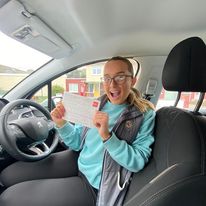
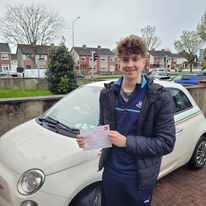
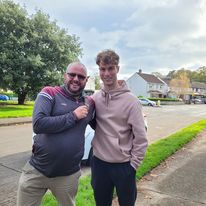
Some of our amazing students!
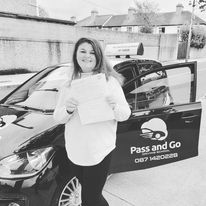
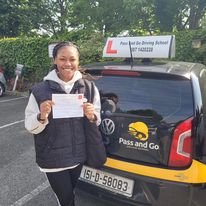

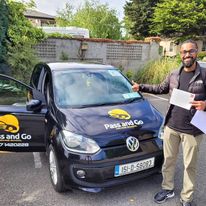
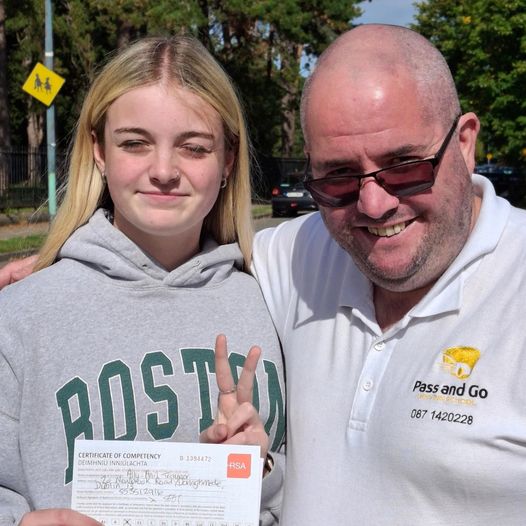
We’d love to hear from you!
Click here to email Mike or Greg at the Pass and Go driving school to book your next driving lesson.
Alternately you can call Mike on 087 142 0228, or Greg on 087 261 7676.
You can also WhatsApp us by clicking the green icon on the bottom left of the screen.